In the world of golf cart ownership, understanding that these compact vehicles are relatively low-maintenance is crucial. With proper care and attention to detail, you can enjoy your golf cart for years while keeping costs and hassle at bay. This guide will delve into the essential aspects of maintaining your golf cart, ensuring it runs smoothly and efficiently. From electric golf carts to luxury models, we’ll explore how to keep these versatile vehicles in top condition, whether you’re a first-time buyer or an experienced owner.
Understanding Golf Cart Maintenance: A Comprehensive Overview
The Low-Maintenance Nature of Golf Carts
Golf carts are designed with simplicity and ease of use in mind, making them one of the most low-maintenance vehicles on the road. Unlike traditional cars, they have fewer moving parts, which reduces the potential for mechanical issues. Regular cleaning, basic inspections, and timely maintenance checks are typically all that’s needed to keep your golf cart running optimally.
Key Components to Focus On
While the overall design promotes simplicity, several critical components require regular attention:
-
Battery Care: The heart of any electric golf cart, the battery, demands special care. Regular charging and maintenance ensure optimal performance and longevity.
-
Tires and Wheels: Keeping an eye on tire pressure and wheel alignment ensures smooth driving and prevents unexpected breakdowns.
-
Brakes: Efficient braking systems are essential for safety. Regular inspections can identify wear and tear, ensuring your cart comes to a stop when needed.
-
Motor and Drive Train: Basic checks and lubrications are sometimes all that’s needed to keep the motor running smoothly.
Benefits of Regular Golf Cart Maintenance
-
Cost Savings: Preventive maintenance prevents costly repairs down the line.
-
Extended Lifespan: Regular care enhances the overall longevity of your golf cart.
-
Safety: Well-maintained brakes and tires contribute to a safer driving experience.
-
Performance: Optimized components result in improved performance and handling.
Maintaining Your Golf Cart: Step-by-Step Guide
1. Battery Care and Maintenance
-
Charging Routine: Establish a regular charging schedule, especially after long periods of use or storage. Most golf cart batteries require a 12-hour charge once a month to maintain optimal performance.
-
Battery Checkup: Visually inspect the battery for any signs of damage or corrosion. Clean the terminals with a wire brush and baking soda solution if necessary.
-
Water Level Monitoring: If your golf cart has a maintenance-free battery, check the water levels regularly (every 2-3 months) and top up as needed.
2. Tire and Wheel Maintenance
-
Pressure Check: Verify tire pressure once a week using a reliable gauge. Most golf carts require pressure between 100-140 PSI. Adjust accordingly to ensure optimal performance and fuel efficiency.
-
Visual Inspection: Inspect tires for any cuts, cracks, or uneven wear patterns. Replace them if necessary for safety and stability.
-
Wheel Alignment: Keep wheels aligned to prevent improper tire wear. This can be done by a professional or with the aid of wheel alignment kits available at golf cart dealers.
3. Brake System Checks
-
Regular Inspections: Perform brake inspections every 6 months or after significant use. Look for signs of wear on brake pads and rotors, and replace them as needed.
-
Fluid Top-Ups: Maintain the brake fluid level at the recommended mark in the reservoir. Most golf carts require DOT 3 or 4 brake fluid.
-
Braking Performance: Test brakes during each driving session to ensure they respond promptly and smoothly.
4. Motor and Drive Train Lubrication
-
Lubrication Schedule: Follow the manufacturer’s guidelines for lubricating moving parts, typically every 100-200 miles or 6 months, whichever comes first.
-
Fluid Types: Use the recommended lubricants for different components to ensure optimal performance and protection against wear.
-
Belts and Chains: Inspect drive belts or chains for any cracks, stretches, or damage. Replace them if necessary to prevent belt or chain slippage.
Choosing the Right Golf Cart Accessories: Enhancing Your Experience
Upgrading your golf cart with accessories not only enhances its functionality but also adds a touch of personal style. Here are some popular options:
-
GPS Systems: Install a golf GPS device for precise course navigation and yardage information, making your rounds more enjoyable and efficient.
-
Seats and Windshields: Upgrade to comfortable seats and windshields for improved comfort during long games.
-
Luggage Racks: Add a luggage rack to transport clubs, equipment, or even groceries effortlessly.
-
Lights and Signals: Enhance visibility with LED lights for early morning or evening play, and include turn signals for better safety.
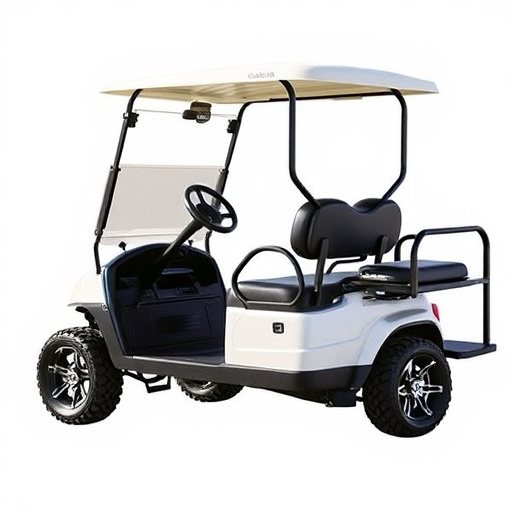
2-Seater vs. 4-Seater Golf Carts: Understanding Your Needs
The choice between a 2-seater and 4-seater golf cart depends on your preferences and intended use.
2-Seater Golf Carts:
- Ideal for: Couples or individuals who enjoy the game alone or with a single companion.
- Features: Often come with a smaller, more compact design, making them easier to maneuver through tight spaces on the course.
- Pros: Efficient, affordable, and perfect for shorter courses or those with limited storage space.
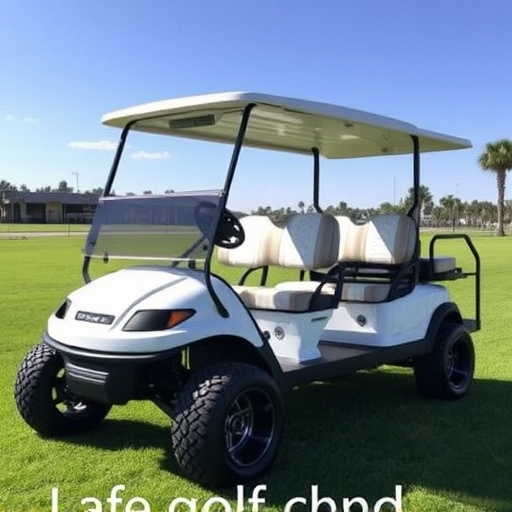
4-Seater Golf Carts:
- Suitable for: Groups of friends or families who want to play together or transport equipment and supplies.
- Characteristics: Feature more legroom and a larger seating area, accommodating multiple passengers comfortably.
- Advantages: Provide added convenience for larger groups, making them ideal for resort or community courses.
Golf Cart Dealers and Repairs: Finding Reliable Resources
Choosing a Reputable Dealer
When purchasing or servicing your golf cart, it’s crucial to work with a reputable dealer or repair shop. Look for the following qualities:
- Experience: Deal with professionals who have extensive knowledge of various golf cart brands and models.
- Warranty Coverage: Ensure they offer warranty services to protect your investment.
- Customer Reviews: Read online reviews to gauge customer satisfaction levels.
Golf Cart Repairs and Service Centers
Regular maintenance visits to a qualified service center are essential for keeping your golf cart running smoothly. Some dealers also provide repair services, covering:
- Mechanical Repairs: Fixing issues with the motor, transmission, brakes, and steering systems.
- Electrical Work: Diagnosing and repairing battery problems, charging systems, and electrical components.
- Bodywork and Customization: Offering cosmetic repairs and custom modifications to suit your preferences.
Golf Cart Parts: Understanding Common Replacements
Over time, certain golf cart parts may require replacement due to wear and tear. Here are some commonly replaced components:
-
Batteries: As discussed earlier, batteries are a critical component that needs periodic replacement, typically every 3-5 years.
-
Tires and Wheels: Regularly inspect tires for wear and replace them when necessary, along with wheels if they become damaged or rusted.
-
Brake Pads and Rotors: Brakes are a safety-critical system, so replacing pads and rotors as recommended by the manufacturer is essential.
-
Drive Belts or Chains: These components ensure smooth power transmission. Inspect them regularly and replace when necessary to prevent damage to the motor and drive train.
Frequently Asked Questions (FAQs)
1. How often should I change my golf cart battery?
The lifespan of a golf cart battery depends on various factors, including usage frequency and charging habits. As a general rule, most maintenance-free batteries require replacement every 3-5 years. Regular charging and proper care can extend their life significantly.
2. Can I use regular gasoline in my electric golf cart?
No, electric golf carts are designed to run on a specific type of battery power, not gasoline. Using regular gas or fuel will cause severe damage to the vehicle’s electrical systems. Only use batteries recommended by the manufacturer for your golf cart model.
3. How do I know if my golf cart needs a tune-up?
Look out for signs like reduced speed, poor braking response, unusual noises, or difficulty in starting. If you notice any of these issues, it’s a good indicator that a tune-up is due. Regular maintenance visits to a professional service center can help catch potential problems early on.
4. Are golf cart accessories necessary?
Golf cart accessories enhance your experience and safety on the course. From GPS devices for navigation to comfortable seating and lighting, these add-ons can make your rounds more enjoyable. They also contribute to better visibility, improved convenience, and enhanced safety features.
5. Can I perform golf cart repairs myself?
While some basic maintenance tasks like battery care and tire pressure checks are within the reach of DIY enthusiasts, complex repairs often require professional expertise. Most golf carts have intricate electrical systems and mechanical components that demand specialized knowledge and tools. It’s recommended to leave major repairs to certified technicians for safety and quality assurance.
Conclusion: Unlocking Smooth Golf Cart Operation
Golf carts offer a unique blend of convenience and freedom on the golf course. With minimal maintenance, these vehicles ensure years of reliable service. By following the care and maintenance tips outlined in this guide, you can keep your golf cart running smoothly while enjoying its many benefits. Whether you’re a seasoned golfer or just starting, remember that regular attention to detail will contribute to a positive and enjoyable golfing experience.
For all your golf cart needs, including sales, repairs, and maintenance, reach out to us at Call us now at (214) 761-6820 for more information. Visit our location at 6725 Hillcrest Ave suite a, Dallas, TX 75205 today to explore our range of golf carts and accessories. Make an appointment by calling us or stop by for a personal consultation. Our team is dedicated to helping you find the perfect golf cart to suit your style and needs.